
نُخبة من أفضل أطباء واستشاريي طب وجراحة الفم والأسنان
Tooth wear treatment has become one of the most significant challenges in modern restorative dentistry.
As people live longer and experience higher levels of stress, the mechanical and chemical degradation of tooth structure—often referred to as “tooth wear”—is on the rise. Whether it is caused by grinding, acidic diets, or improper brushing, understanding the right Management of tooth wear lesions is essential to saving your natural smile.
In this guide, we will explore the different types of dental degradation, from identifying Wear facets teeth to the advanced ACE classification tooth wear, and the various restorative options like Dental bonding.
What is Tooth Wear? Understanding Attrition and Erosion
Tooth wear is a non-carious loss of dental hard tissues. To choose the correct Tooth wear treatment, a dentist must first identify the cause. A common clinical observation is the presence of Wear facets teeth, which are flattened, polished areas on the biting surfaces.
Wear facets vs attrition
Patients and students often ask about Wear facets vs attrition.
- Attrition: This is the mechanical wear caused by tooth-to-tooth contact, often due to bruxism (grinding). It results in well-defined Wear facets on molars.
- Wear facets: These are the clinical signs of attrition. If the facets “lock” together perfectly when you bite, it is a clear sign of active grinding.
- Erosion: This is the chemical loss of tooth structure due to acids (dietary or gastric), making the teeth appear “melted” and translucent.
The ACE Classification tooth wear
For a professional Management of tooth wear lesions, dentists use the ACE classification tooth wear (Anterior Clinical Erosion classification). This system helps categorize the severity of the wear:
- Class I: Wear limited to the enamel.
- Class II: Wear reaching the dentin, but the tooth length is largely preserved.
- Class III – VI: Progressively severe wear involving loss of vertical dimension and significant structural damage.
Using the ACE classification tooth wear allows your dentist to decide whether a conservative approach or a full-mouth reconstruction is necessary.
Management of tooth wear lesions: Modern Strategies
The Management of tooth wear lesions has shifted from “waiting and watching” to proactive intervention. According to Management of tooth wear recent articles, the goal is to intervene before the tooth requires extraction or a root canal.
1. Preventive Measures
The first step in Tooth wear treatment is stopping the progression. This includes:
- Night Guards: To manage Wear facets on molars caused by grinding.
- Dietary Counseling: Reducing acidic intake for patients with erosion.
- Medical Referral: Treating underlying issues like GERD (acid reflux).
2. Dental Bonding
For mild to moderate cases, Dental bonding is a preferred conservative treatment. Using high-strength composite resins, the dentist can restore the lost enamel, cover sensitive dentin, and improve the aesthetics of worn-down teeth without the need for extensive drilling.
Tooth wear treatment for Molars and Anterior Teeth
Wear facets on molars
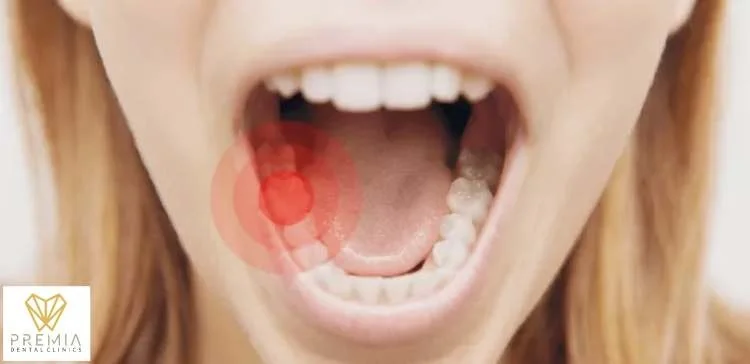
When Wear facets on molars become deep, they can lead to tooth sensitivity and even fractures. Tooth wear treatment in the posterior region often involves “on lays” or “overlay” restorations that protect the remaining structure while restoring the bite height.
Anterior Teeth Restoration
Worn front teeth can make a person look much older. Management of tooth wear lesions in the aesthetic zone often utilizes Dental bonding or porcelain veneers to restore the youthful “length” of the teeth as guided by the ACE classification tooth wear.
Management of tooth wear recent articles: What the Science Says
Recent research emphasizes the importance of the “Bio-Emulation” approach. Management of tooth wear recent articles suggest that using materials that mimic the physical properties of natural enamel (like advanced lithium disilicate or nano-composites) leads to better long-term outcomes.
The focus is now on minimally invasive techniques that preserve as much natural tooth as possible.
The Consequences of Ignoring Tooth Wear
If you notice Wear facets teeth and ignore them, the damage can progress rapidly. Severe wear can lead to:
- Loss of Vertical Dimension: Making the face look shorter and creating wrinkles around the mouth.
- TMJ Disorders: Pain in the jaw joint due to an uneven bite.
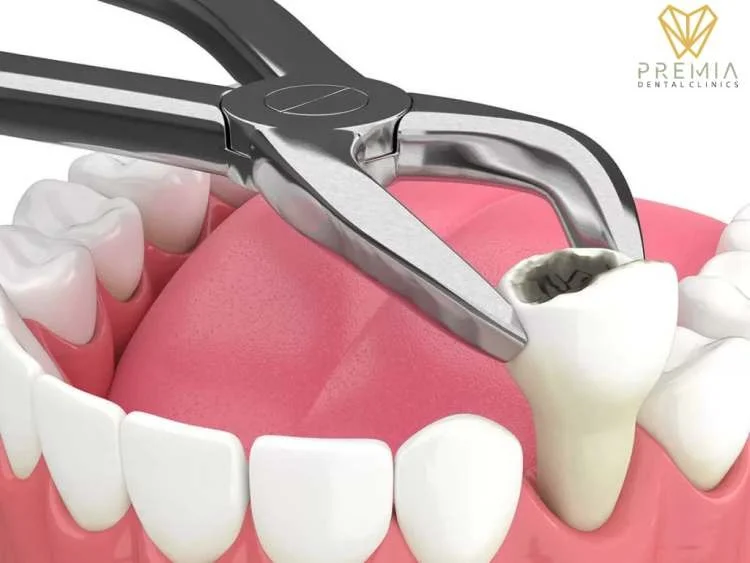
- Tooth Loss: When wear reaches the nerve, the tooth may become unsalvageable, leading to extractions – a topic discussed in the original Arabic article.
Why Choose Premia Dental for Tooth wear treatment?
At Premia Dental, we don’t just “fix” the wear; we find the cause. Our approach to the Management of tooth wear lesions includes:
- Digital Bite Analysis: To check for Wear facets vs attrition patterns.
- ACE Classification: To provide an accurate, scientifically-backed diagnosis.
- Minimally Invasive Care: Prioritizing Dental bonding to save your natural tooth structure.
Conclusion
Tooth wear treatment is about more than just aesthetics; it is about preserving the structural integrity of your mouth.
By identifying Wear facets on molars early and applying the ACE classification tooth wear, you can avoid complex surgeries and tooth loss. Whether you need simple Dental bonding or a more comprehensive Management of tooth wear lesions, early intervention is the key to a healthy smile.
Don’t wait until your teeth are beyond repair. Contact Premia Dental today at 01224443363 to schedule your evaluation and start your personalized tooth wear treatment plan.
Read more about: Jaw Dislocation Treatment
Frequently Asked Questions (FAQ)
Is dental bonding permanent?
Dental bonding is a durable solution, but like natural enamel, it can wear over time. Depending on your habits, it can last 5 to 10 years before needing a “refresh.”
Can I get tooth wear treatment at home?
While you cannot “regrow” enamel at home, you can prevent further damage by using a night guard and desensitizing toothpaste. However, restoring the lost structure requires professional clinical intervention.
What is the difference between wear facets and cavities?
Wear facets teeth are mechanical or chemical losses of structure, whereas cavities (caries) are bacterial infections. Both require treatment, but the methods are very different.
