
نُخبة من أفضل أطباء واستشاريي طب وجراحة الفم والأسنان
When a tooth is severely decayed, cracked, or weakened after a root canal, a filling is often not enough to restore its function. This is where dental crowns come in.
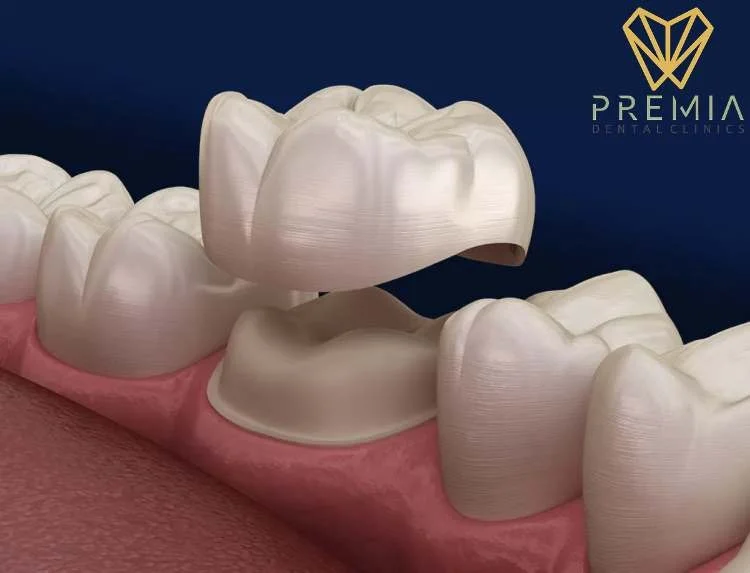
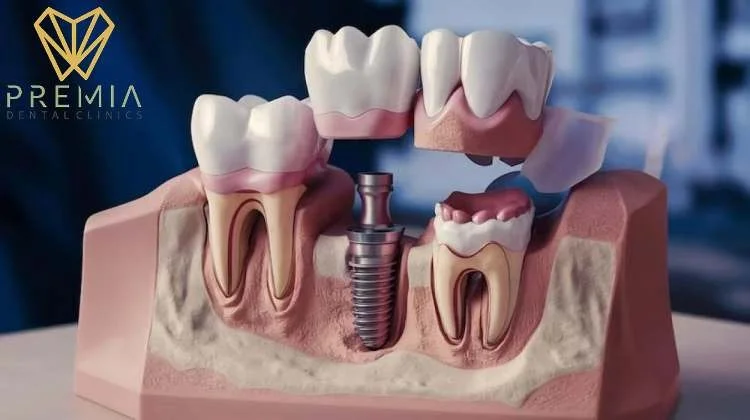
Often referred to by patients as a “tooth cap,” a crown acts as a protective “helmet” that covers the entire visible portion of the tooth, restoring its shape, size, and strength.
In this guide, we will explore the different Types of dental crowns and cost, the details of the Dental crown procedure, and address common concerns like the Disadvantages of dental crowns and even the myths surrounding the Dangers of dental crowns.
What are Dental Crowns? (Tooth Cap vs Crown)
One of the first things patients ask is the difference between a Tooth cap vs crown. In the dental world, these terms are interchangeable. A “cap” is simply a layman’s term for a crown. Both describe a prosthetic restoration that completely encircles a tooth or a dental implant.
Unlike a veneer, which only covers the front surface, Dental crowns provide 360-degree protection, making them the superior choice for teeth that need to withstand heavy chewing forces.
Types of Dental Crowns and Cost in 2026
Choosing the right material is a balance between aesthetics and durability. Here is a breakdown of the common Types of dental crowns and cost:
1. Zirconia Crown
The Zirconia crown has become the gold standard in modern dentistry. Known for its incredible strength, it is virtually indestructible, making it ideal for back molars. It is also biocompatible and metal-free.
- Cost: In Egypt, a Zirconia crown typically ranges from 3,500 to 6,000 EGP.
2. E-max (Lithium Disilicate)
E-max crowns are prized for their superior translucency and lifelike appearance. They are the top choice for front teeth where aesthetics are the priority.
- Cost: Ranges from 4,000 to 7,500 EGP.
3. Porcelain Fused to Metal (PFM)
A traditional option where porcelain is baked over a metal substructure. It is durable but can sometimes show a dark line at the gum margin over time.
- Cost: Usually the most affordable, ranging from 1,500 to 3,000 EGP.
The Dental Crown Procedure: What to Expect
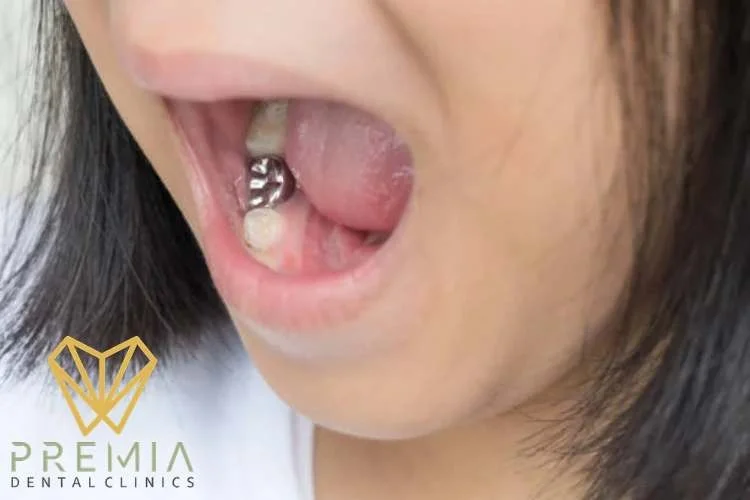
The Dental crown procedure usually requires two visits to the clinic, although some advanced centers now offer “Same-Day Crowns” using CAD/CAM technology.
- Preparation: The dentist numbs the tooth and trims it down to make room for the crown.
- Impressions: A digital scan or a physical mold is taken to ensure the crown fits perfectly.
- Temporary Crown: A plastic temporary cap is placed to protect the tooth while the permanent one is being made in the lab.
- Final Fitting: Once the permanent crown is ready, the dentist checks the fit, color, and bite before cementing it permanently.
Disadvantages of Dental Crowns
While highly beneficial, there are some Disadvantages of dental crowns that patients should be aware of:
- Tooth Reduction: A significant portion of the natural tooth structure must be removed to accommodate the crown.
- Sensitivity: Some patients experience sensitivity to hot or cold for a few weeks following the Dental crown procedure.
- Risk of Chipping: While rare with a Zirconia crown, porcelain surfaces can chip if subjected to extreme trauma.
Addressing the Myths: Dangers of Dental Crowns
In the age of information, many patients search for the dangers of dental crowns. It is important to separate fact from fiction.
Can dental crowns cause cancer?
A common, yet scientifically unfounded, question is: Can dental crowns cause cancer? * The Fact: There is no scientific evidence suggesting that modern dental crowns cause cancer.
Materials like Zirconia and E-max are highly biocompatible and have been used in medical implants (like hip replacements) for decades.
Old Concerns: In the past, some low-quality metal alloys contained nickel or trace amounts of beryllium, which caused allergic reactions in some people, but modern dentistry has largely moved away from these materials.
Dental Crowns Cost: Is it Worth the Investment?
When evaluating the Dental crowns cost, you aren’t just paying for a piece of ceramic; you are paying for the preservation of your natural tooth. Without a crown, a weakened tooth is likely to fracture, which could lead to an expensive extraction and the need for a Zirconium dental implant.
Factors Influencing Dental Crowns Cost:
- Lab Quality: Higher-end dental labs produce more accurate and lifelike crowns.
- Dentist’s Skill: The precision of the “prep” work directly affects how long the crown lasts.
- Location: Prices in Cairo are highly competitive compared to Western markets, offering premium materials at a fraction of the global price.
How Long Do Dental Crowns Last?
With proper care, a Zirconia crown can last 15 to 20 years, or even a lifetime. To ensure longevity:
- Brush and floss regularly (especially at the gumline).
- Avoid biting on non-food objects (pens, ice, bottle caps).
- Wear a night guard if you suffer from bruxism (teeth grinding).
Why Choose Premia Dental for Your Dental Crowns?
At Premia Dental, we specialize in all Types of dental crowns and cost management. We prioritize digital precision to ensure your crown fits perfectly the first time.
- We use only the highest grade of Zirconia and E-max.
- Our Dental crown procedure is designed to be pain-free and efficient.
- We provide clear, transparent pricing so you know exactly what your Dental crowns cost will be before we start.
Conclusion
Dental crowns are a cornerstone of restorative dentistry, providing a second life to damaged teeth. Whether you are considering a durable Zirconia crown for a molar or a beautiful E-max crown for your front teeth, understanding the Types of dental crowns and the average Dental crowns cost helps you make the right choice for your health and budget.
While there are some disadvantages of dental crowns, the benefit of saving a natural tooth far outweighs the risks. Don’t be swayed by myths regarding the Dangers of dental crowns; instead, trust the science and the expertise of your dental team.
Ready to restore your smile? Contact Premia Dental today at 01224443363 to schedule a consultation and receive a personalized breakdown of your dental crowns cost.
Read more about: Porcelain Dental Implants Cost
Frequently Asked Questions (FAQ)
Is the dental crown procedure painful?
No. Local anesthesia ensures you feel nothing during the preparation. After the procedure, there might be slight gum soreness, but this typically fades within 48 hours.
Tooth cap vs crown: which one do I need?
They are the same thing! If your dentist says you need a cap, they are recommending a dental crown to protect your tooth.
Can dental crowns cause cancer?
Again, the answer is no. Modern materials are bio-inert and undergo rigorous safety testing.
